
SEARCH WHAT YOU WANT
Blogs & News
CMYK vs. Pantone Color: What Custom Packaging Buyers Need to Know
2026-05-18
When ordering custom printing packaging from a China supplier, you will hear two terms: CMYK and Pantone.
They are very different.
Choosing the right one saves money and keeps your brand color accurate.
What is CMYK?
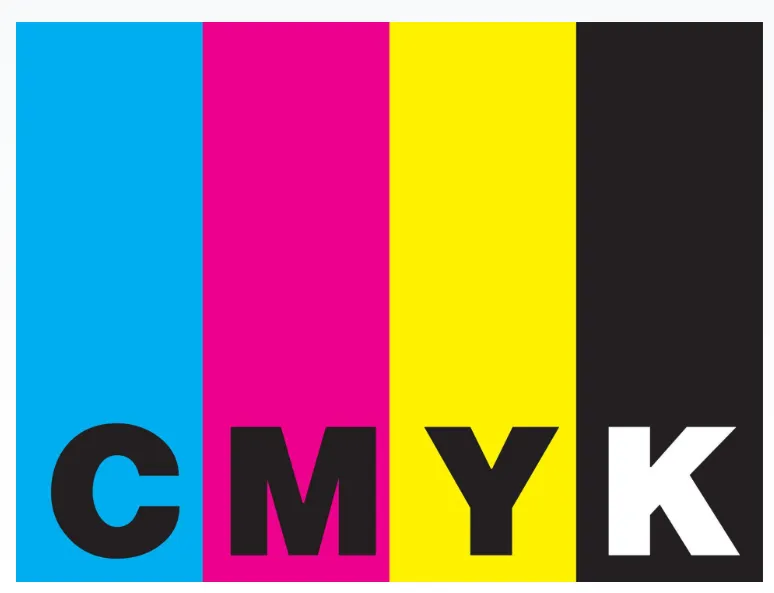
CMYK stands for Cyan, Magenta, Yellow, and Black.
The printer mixes these four inks using tiny dots.
This creates full-color images like photos and gradients.
Best for:
-
Product photos
-
Complex illustrations
-
Multi-color designs
Pros: Low cost. One set of plates prints many colors.
Cons: Cannot print neon, metallic, or super bright colors. Color may shift slightly between batches.
What is Pantone Color?
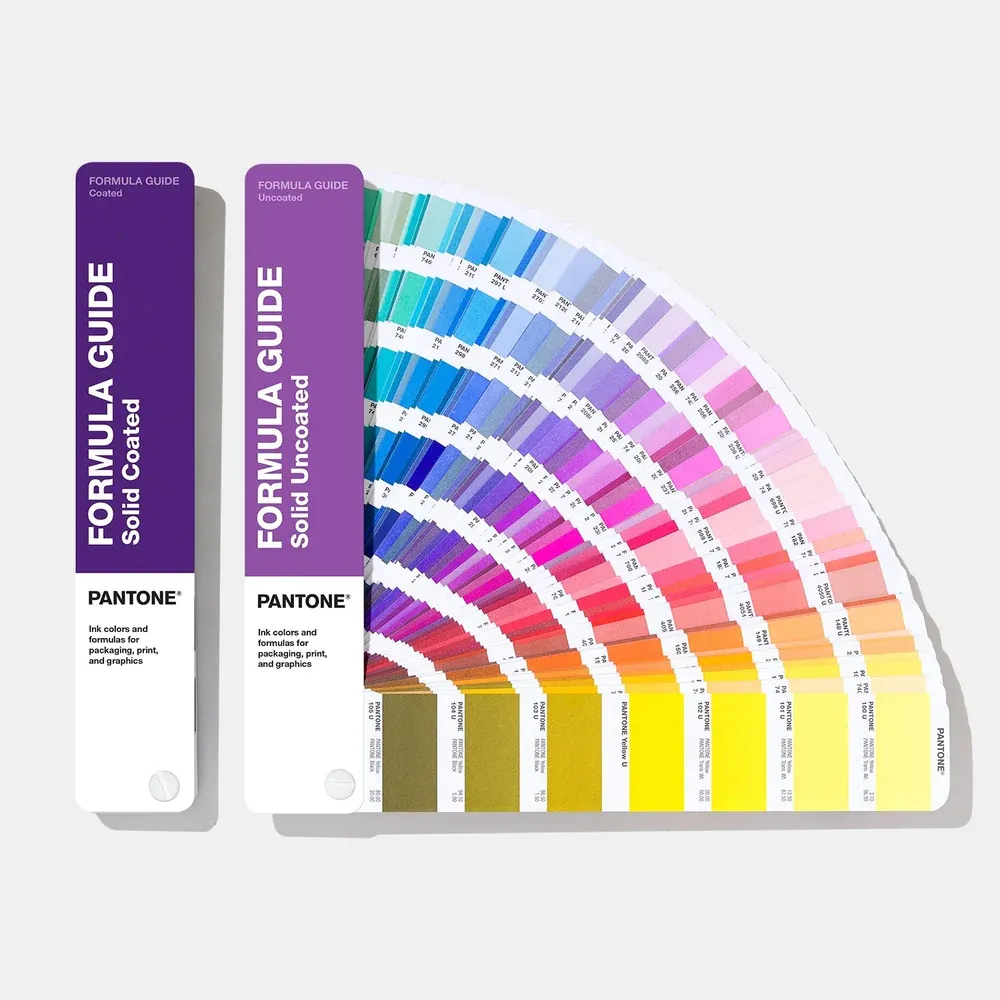
Pantone is a global standard for spot colors.
Each color has a number (example: Pantone 185 C for red).
The ink is pre-mixed before printing. It goes on the paper as a solid, flat color.
Best for:
-
Brand logos (must match exactly every time)
-
Large solid backgrounds
-
Metallic, fluorescent, or white ink
-
Small text and fine lines
Pros: Perfect color consistency. No variation between batches. Wider color range than CMYK.
Cons: Each Pantone color adds extra cost.
Quick Comparison
| CMYK | Pantone | |
|---|---|---|
| Color mixing | Four inks in dots | Pre-mixed single ink |
| Consistency | Good, but can shift | Excellent – exact match |
| Best use | Photos, many colors | Logos, solid areas, special effects |
| Cost | Low | Higher per extra color |
Which One Should You Choose?
Choose CMYK when:
-
Your design has product photos or gradients.
-
You have many different colors.
-
Budget is tight and exact match is not critical.
Choose Pantone when:
-
You need a specific brand color (provide the Pantone number).
-
You print gold, silver, white, or fluorescent ink.
-
You have large solid backgrounds or very small text.
Best of both worlds:
Use CMYK + one Pantone color.
Example: product photo in CMYK + brand logo in Pantone red.
This keeps cost reasonable and your brand identity perfect.
Why This Matters
As a China supplier of custom printing packaging, Guangzhou Wosen Packaging Co., Ltd. helps buyers make the right choice.
We offer hybrid printing (CMYK + Pantone) and free pre-press checks.
Request a physical sample to see the difference on real packaging materials. Contact us anytime!
When ordering custom printing packaging from a China supplier, you will hear two terms: CMYK and Pantone.
They are very different.
Choosing the right one saves money and keeps your brand color accurate.
What is CMYK?
CMYK stands for Cyan, Magenta, Yellow, and Black.
The printer mixes these four inks using tiny dots.
This creates full-color images like photos and gradients.
Best for:
-
Product photos
-
Complex illustrations
-
Multi-color designs
Pros: Low cost. One set of plates prints many colors.
Cons: Cannot print neon, metallic, or super bright colors. Color may shift slightly between batches.
What is Pantone Color?
Pantone is a global standard for spot colors.
Each color has a number (example: Pantone 185 C for red).
The ink is pre-mixed before printing. It goes on the paper as a solid, flat color.
Best for:
-
Brand logos (must match exactly every time)
-
Large solid backgrounds
-
Metallic, fluorescent, or white ink
-
Small text and fine lines
Pros: Perfect color consistency. No variation between batches. Wider color range than CMYK.
Cons: Each Pantone color adds extra cost.
Quick Comparison
| CMYK | Pantone | |
|---|---|---|
| Color mixing | Four inks in dots | Pre-mixed single ink |
| Consistency | Good, but can shift | Excellent – exact match |
| Best use | Photos, many colors | Logos, solid areas, special effects |
| Cost | Low | Higher per extra color |
Which One Should You Choose?
Choose CMYK when:
-
Your design has product photos or gradients.
-
You have many different colors.
-
Budget is tight and exact match is not critical.
Choose Pantone when:
-
You need a specific brand color (provide the Pantone number).
-
You print gold, silver, white, or fluorescent ink.
-
You have large solid backgrounds or very small text.
Best of both worlds:
Use CMYK + one Pantone color.
Example: product photo in CMYK + brand logo in Pantone red.
This keeps cost reasonable and your brand identity perfect.
Why This Matters
As a China supplier of custom printing packaging, Guangzhou Wosen Packaging Co., Ltd. helps buyers make the right choice.
We offer hybrid printing (CMYK + Pantone) and free pre-press checks.
Request a physical sample to see the difference on real packaging materials. Contact us anytime!
Related News

Wosen Packaging is the trusted choice for thousands of brands across the United States, Europe, Australia, New Zealand, and beyond. We deliver effective packaging solutions at highly affordable prices.
Copyright © 2026 Guangzhou Wosen Packaging Co., Ltd.